Labels

Showing posts with label Project Doc. Show all posts

Tuesday, 10 September 2024

Final Doc + Thumbnails

 Here is my final Documentary as well as the thumbnails. 

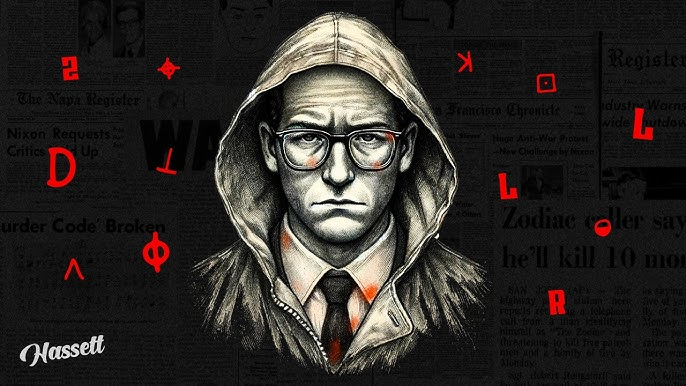
Here is the final thumbnail 


Here is the youtube link to the final documentary.


Here is the Backup link to the final documentary

(Credit to Louis and Nathan for finishing the documentary and thumbnail)


(Credit to Louis for doing most of the thumbnails)


Self Reflections: One single word. THOUGH. That is how I would describe this project. I've been having restless night just to finish up and polishing every reflections I could remember with my remaining heartbeats. They are things I enjoy and most of them I don't. I am very satisfied with the end result, and I think we've did pretty good job in the end considering that we have so much challenges to be solved behind the scenes. Even with the distance differences, tight schedule for other stuffs, and assignments, we still manage to complete it at the end of the term. Louis showed a great understanding of editing skills, arranging clips and sounds in the documentary while doing the thumbnails from scratches. Ata also showed his impressive talents in his acting skills and his camera shootings. Next, Nathan showed an outstanding leadership in directing all of us through the project as well as him improving in camera shooting skills that he had just started very recently. And finally, I did my best for most of the researching and administration works such as scheduling, statement intent, and providing the location for the shooting. Overall, this mini project really wears us off and it gives us clear picture of what we're expecting in the next upcoming project soon.


Wednesday, 4 September 2024

Critical Self Reflections - Documentary

 Here is my critical self reflections for the documentary project.


Below here is the planning of Critical Self Reflections that my teammates and I have made


CRITICAL SELF REFLECTIONS


Our team decided for this project that we want to create a documentary intro about a teenage-celebrity murdering scandal, because we’re more familiar with this kind of topic as well as having the skills and ideas required for this field. This essay will be answering CR one (4th paragraph), two (1st paragraph), three (3rd paragraph), and four (2nd paragraph).


Branding is important because it differentiates our criminal documentary from others while highlighting uniqueness and diversification, which can be used as a unique-selling point to promote our documentary. Other than that, it can also catch more attention of new customers, as some of them may demand new and unique content onto their movie arsenal so that they can experience personalised contents. The overall theme of our media products, both thumbnails and videos, are in a serious and mature tone, this can be shown by the darker lighting and atmosphere which can also imply disgrace, impurity or mysteries untold. Both thumbnail and video got my picture which will be heavily correlated to each other in the later of the series. The thumbnail is used to grasp the audience’s attention so that they would notice our documentary, can also be used as promotion media for my documentary, and it will act as a one-panel preview of what will be mentioned and discussed in the documentary. The video of the documentary will help the audience to dive deeper into the topic and help them discover more clues that can be useful to unfold the mysteries of the cases. Audience will likely decode and actively interpret the meaning of implicit elements and mysteries to help them shape their own opinions as we don’t provide them with the exact answer to all questions, but rather give them soft clues. This is called the Hermeneutic Codes, a theory stated by Barthes. 


If we need a strong branding in our documentary, we must now perform a thorough and in-depth research for it, so that our documentary stands out and offers a new kind of perspective in criminology that we’ve rarely heard of. We rarely see or even hear about celebrities murdering another celebrity, so we choose that topic because we want to show a more unique topic and discussion. Murder documentary general conventions will likely revolves around, high-angle CCTV-tapes recording of the criminal with their prisoner jumpsuit being questioned; black clothings, like hoodies, glasses, and mask for stalking-murder criminal like in a Korean drama and with the dim lightings; sounds of DSLR camera flashes from the police gathering evidences; and, quick-cuts of pictures from the crime scene. We did conform the MeS of it, especially the props of black clothes, because simply it is the easiest convention that we can imitate among the others, and we don’t want to subvert too many things in the documentary. Which Steve Neale has said in his Genre Theory, stating that a text must be SIMILAR enough to be recognised as a particular genre, but it must also be DIFFERENT enough to be new and exciting. To add variations, we subvert a crime scene happening in dim lighting, instead it happens in a moderate-lighting inside a bedroom, why? The bedroom usually represents comfortability in our daily life, as it’s the place where we feel vulnerable and emotional to be able to relieve trauma and stress. However, we create the crime scenes to be inside the safest place for us to reside and unwind, sending messages to our audiences to remain vigilant all the time. Honestly, there is no research being my biggest influence to create this documentary. We all agree to create a celebrity-scandal murder case, since we’re familiar with this topic, especially the psychology behind teenage-growing celebrities who struggle to handle a roast. From that, we create the worst scenario that will happen if they lose control over themselves. In the future, I’ll watch more media content for the sake of this subject which will make my research more in depth and also expand my knowledge on general conventions on the topic we’re discussing. 


When we decide that a young-teenager is the celebrity, we also want our audience to accept the characters to make them relatable with their persona and create excitement in our documentary. Our primary target audience is in the demographic of young adults ranging from age 18-26 who are working a job and pursuing education in college, which is also a cultured celebrity fan, a celebrity-gossip enthusiast, and an idol fan as the psychographic. First of all, we want to grasp their attention through our thumbnail, this can be done by adding references from the documentary into the thumbnail so that we can advertise it, and to make it appealing we make it so that the thumbnail “invites more questionnaires”. What this means is that the audience should be curious about what happens in the documentary, like why are there blood spots, who is in the photo, and what is the correlation between this person and all the splattering bloods. We as the media producer encodes meaning into our thumbnails and documentaries, it is the audience job to decodes the meaning; this is all stated by Stuart Hall according to his Reception Theory, where later on audience will either Accept the intended meaning, Rejects it, or  need more Adaptation to decodes it. Our documentary has included many mysteries to be more appealing for the target audience, this can lead to the audience using our documentary to meet their own specific needs, which Blumler and Katz in their Uses and Gratification theory. Audience can use this media product to divert themself from the exhausting life-constraint, maybe even imitating the good personality of their favourite celebrities Ata and Resha, they may use it as a form of topic to discuss about with their contemporaries, and as an information to keep them up-to-date with the current singing industry events.


    A documentary wouldn’t be completed and loses track from its own path without representing a clear-intended social group. This will disrupt the brand image, the MeS, and the target audience intended to consume the media product. If we don’t set a clear representation of a group, we won’t know what uniqueness, purposes, and experiences to offer to the audience; that is why it plays an important role in media products, documentaries included. For this project, we want to represent teenage celebrities' thriving in the singing industry and we want the audience to wholly accept this meanings offered by media product, this can be shown by a technical element such as low angle pictures of Haresha performing in his concert, this depicts his dominance in the concert as a main character in the documentaries as well as showing his aura as a proper star-idols. The issues that we’ve been trying to bring up since the beginning is the scandal about a celebrity killing a rapper, because he couldn’t control his emotion to receive hate and roasts from the rapper. Which eventually led to him being dragged into the court for ‘allegedly’ killing the rapper. We want the reader to actively interpret and decode the media product by themselves, which can create their own meaning later on. This can be shown through the MeS props of the killer, where he wears black clothing totally covering his facial features in order to conceal his true identity. An interesting analysis to make here is that the killer is recorded to be in a high angle, in which here the killer is depicted to be inferior to the CCTV camera as they act as an important evidences that later on in the documentaries may bring the name and the career of the killer celebrity down the drain, aside from their function being hung up on the ceilings for a clearer and wider view. We conform the stereotypes of reporters or paparazzi to be out of nowhere questioning celebrities, following them secretly and shoving their camera to the face of the celebrity without permission if they got the chance, the proof for this stereotypes to be somewhat true is that it's happening around the world to even famous real life celebrities like Tobey Maguire and Jada Smith. We think that this is needed because stereotypes help us fastly explain certain roles in a media industry for what they’ve known for without a little bit or even no words at all. This really helps the audience to understand an element to the documentary quicker.

Tuesday, 3 September 2024

Thumbnail Research + Development

Here is the thumbnail research and the development process where we show our progress in making the thumbnail (the front cover of the documentaries)


Below here is my independent researches on criminal documentaries that is not related to my groupmates work, I want to put it here as a proof of learning something new which thrives me to do my work later on.

In the beginning, I started by looking at some crime related film project posters, to get a good idea of what mostly the fonts need to be like, as well as gathering inspiration on which font to use and how I would use them in my final project's documentary thumbnail. I used fontmeme.com to take a look at some posters, as I feel like this website quickly shows me what poster of thumbnail it's form, as well as the name of the font

Eventually I was satisfied with the font used in Narcos where it looks simplistic and modern, the look I was trying to go for for my crime documentary. However, I later found out that the information about what font they used was wrong, and it looked slightly different from the way it looked in the thumbnail. because of this, I decided to manually look for the font used from Narcos.

Afterwards, I looked at some Netflix thumbnails to get a good sense of how I should frame my thumbnail. Most crime documentary thumbnails in Netflix have their title on the left hand side, as well as having a red N to signify that it's a Netflix original while having a main subject about the documentary be on the right hand side. So then, I began working on my thumbnail and started by making a few designs

I was very excited with my first draft, and I really liked the way it turned out. I included an image of Resha, who is the celebrity, as well as an autograph on that image, so signify that he's a popular person. I also added blood splatter across the screen to follow crime documentary conventions having blood splatter in their thumbnail, as well as giving a hint that murder is present in this documentary.


I tried to include Resha in the title since the documentary is about how his popularity lead him to doing bad choices. I was unhappy with this design, as I felt like it looked a little bit too cluttered. I really like the previous design, however I needed to incorporate Resha's name into the thumbnail somehow without making it look too cluttered and tacky


Eventually I stuck with this design, having a subtitle called The Resha Case, taking inspiration form Curry and Cyanide's title choice since I feel like it would fit nicely and in the thumbnail using the same font but a thinner version to make it look less messy and cluttery


(Most of thumbnail research is done by Louis)

Self Reflections: Louis did a great job executing our ideas into one single thumbnail and he also managed to finish it in a very last second of submission. Personally, I really love the signatures on the photograph and the blood splatters. Usually a fan would ask for their idol to sign a photos of the idol so that the fan could keep it by themselves as a collection. This may strongly depicts that Haresha is a celebrity and the blood splatters that could indicate many things, one of them that the blood will somewhat and somehow related to this famous singer and we know blood splatters on screen will always end in a very bad ending.

Editing

Here is where I'll be putting the editing processes as well as the software that we use in order to edit all the scenes


For my editing software, I am going to be using a mix of Premier Pro and Capcut, as I feel that I can better arrange and match up clips in premier pro, while Capcut can help with any effects or that I need post production, like subtitles or captions. Since I've had some experiences with Premier Pro, I feel like I would be familiar to the software, making the editing process slightly more efficient than usual
For any template videos or songs, like the netflix intro, I am using Youtube as I feel that it's the best platform to find any template videos for my project, and I can easily and simply download any video from the platform. I find this to be the easiest method of quickly picking and choosing a template video, as I don't need to go into any websites and check their legitimacy for each video. Since They're all in one platform, I can easily pick and choose my wanted clip

After Choosing the video that I want, I can then copy the video link and paste it in a Youtube to mp4 converter, so that I am able to download my chosen video and import it into my timeline in my editing software. This process for me felt quick enough to me, as I didn't need to do any weird tricks to download a video. Other websites may require me to do a captcha for every video that I download, which would be extremely tedious

For any sound effects that I may need in my project, I use a website called Pixabay, where they provide stock sound effects that can be previewed and  easily downloaded with a single click. This to me is the most efficient way for short sound effects, since the youtube link method would take too long for such a short audio clip that I can quickly get in one click


After having a portion of the video be reviewed by my teacher, He gave me recommendations on what I should do make the situation more convincing and gave some example shots that we could include in our video. He also recommended to test the audio in different output devices, since speakers and headphones may have a different sound and may change the outcome of our product to seem poor

(Credit to LOUIS for doing mostly of the editing)


Self Reflections: In my opinion, Louis' editing skills really impressed me. Although to be honest with you I don't really much understand about video editing field, but this is what I can say about the final product based on my current knowledge. The way he adjust sounds to make the necessary sound heard and rejecting the background distraction is great. I can hear all of the characters dialogue clearly, even my small voices in the stair scene and I only heard minimum of background noises. The lighting is also edited very well, he make sures that we focused on the main objects of the scenes and not the background instead,  and this is done from him by editing the angles of the camera.

Behind the Scenes

Here are some behind the scenes shots while we were filming the scenes, taking videos, and basically what happened behind camera


(Credit to ATA for making the Behind the Scenes)

Self Reflections: I only viewed this post as a proof of our originality and our hardworking progresses behind the camera. Probably most of these sections are all self-explanatory, and we already mentioned the reason we choose most of these locations in our 'Location Scout and Risk Assessment'. Yes, I haven't explained why I choose saving dogs as an act of heroism and I will in a paragraph below.

Saving dogs, especially cute little mini pomeranian, is consider a work of a hero. It implies that Resha as a celebrity has a soft-side inside of him, which makes him appear as a kind-hearted looking guy you want to hangout with. Shaking hands with the dog owner further explicits my friendliness and sociability towards everyone, this is shown through my smiling expressions. 

Filming Schedule

Here is my filming schedule as well as the challenges that we face throughout the day 


Self Reflections: In order for our recording to be organized, I created a filming schedule to help manages my team's time. But it's not as effective as we thought. Sometimes, we may also shoot earlier from the planned time because if we follow the schedule strictly, someone may not be able to join the recording at that day. So we feel like recording whenever we got the time and when it is convenient, that is why I revised the date in the schedule constantly.

Location Scout and Risk Assessment

 Here is my Location Scout and Risk Assessment


(This location scout and risk assessment is mostly made by Haresha)

Self Reflections: Creating this Location scout and risk assessment helps us to list down the location of where we want to record as well as preparing us the alternative locations if the first option is unlikely cooperative. Even though it consumes so much time to explain why we choose this place, as it is mostly self-explanatory, but it really does helps enhance our analytical and in-depth explanation of implicit meaning in the future if we need to explain something more. Again, it could've been done earlier so that it doesn't consume our time in the later time when deadline is approaching.

Script + Storyboard

Here is where I will be putting my storyboard as well as the script of the documentaries


Here is my storyboard

1 by Nathan Budijanto
(credit to Nathan for drawing mostly of the storyboard, we also helped him giving out with some ideas and suggestions to make the storyboard.)


Here is the script to our documentary

(Credit to LOUIS for creating mostly of the script as well as adding his and ours improvised lines)


Self Reflections: The storyboard was mostly made by Nathan. We give him ideas about the camera angles, the edits, and the description of the scenes as well as what will happen in it. The problem for this storyboard is the drawing is a bit scribbly so that is why the description is a bit longer and detailed to be able to explain the entirety of the scenes. The evaluation that we've could done next time is to start the storyboard sooner so that the drawing could be a lot clearer than before, so that we don't need write descriptive detail to explain the scenes

The script is overall done by Louis. We also improvised some lines here as we couldn't remember the exact same lines in the script, but we still like and accept the after product of the improvisation. We should've regularly revised the script if there are some improvisation that are made, to save our time from doing sudden revision the day before deadline.

Statement of Intent

Here is my statement of intent. It will outlines the main details of my documentaries intro, including my primary and secondary target audience. It may change as my ideas develop, but this is my starting point.  

(the statement of Intent is mostly done by me (Haresha)

Self Reflection: This statement of intent really helps to remind us about what target audience we are looking for, so we can match it with our styles of editing and the MeS. Nathan gave the idea to have a more raw and more slow cinematic style to capture an older audience like parents. But we're also using teenagers as a celebrity, which we alter some styles of editing to match it for the younger adults audience. Overall, this statement of intents is one of the pillar to our documentary that decides on the path of our documentary.

Monday, 29 July 2024

Research for Documentaries

 Here's my research for the criminal documentaries -intro only-

NETFLIX/YOUTUBE DOCUMENTARIES

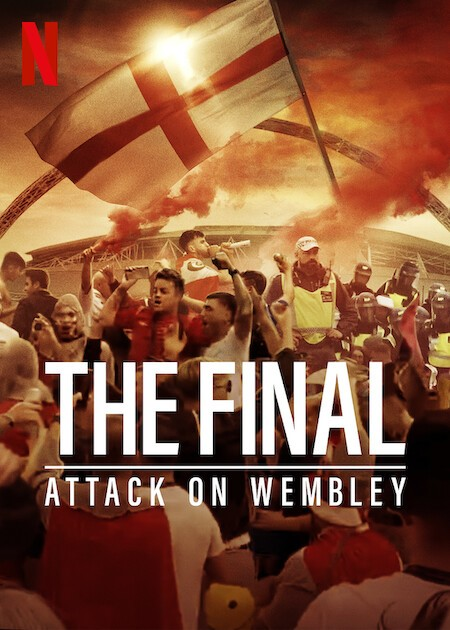
Documentaries #1 The Final: Attack on Wembley

1. What is the subgenre of crime-documentary would you categories this as? 

Sports, Riots

2. Who is the target audience?

Football fans, England citizens

3. What typical documentary conventions were used?

Phone footages, Interview, Locations

4. Did this opening conform or subvert the conventions for this genre?

Conform

5. How does it create suspense using the following:

  • camera: Slow panning, 
  • sound: Sounds of breaking glass, flare, people shouting, and the punching sounds
  • MeS: Low lighting atmosphere when it highlights the tragedy and the interview, indicating how serious the situation is.
  • Edit: Montage clips of riots everywhere
6. What parts of the opening did you find inspiring?
I want to try create a daylight-criminal documentaries as I like to challenge the stereotypical of a  criminal documentaries to be mostly filmed in the night. The daylight-criminal scene may indicates some more severe and concerning crimes have taken place, like school shootings, making it more serious and uncommon cases to most people.

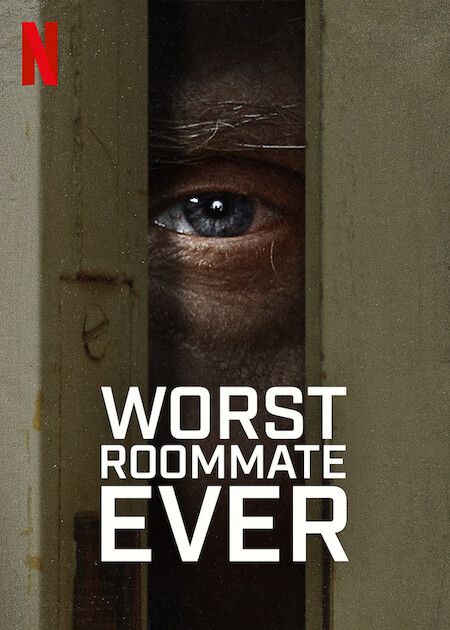
Documentaries #2 Worst Roommate Ever

1. What is the subgenre of crime-documentary would you categories this as? 

Attempted murder, abuse, betrayal

2. Who is the target audience?

People with roommates, Parents, College Students, Young adults

3. What typical documentary conventions were used?

Eerie music, quick cuts, statics, in the evening (dusk)

4. Did this opening conform or subvert the conventions for this genre?

Conform

5. How does it create suspense using the following:

  • camera: Static, close up shots, 
  • sound: Eerie music (ND)
  • MeS: Low lighting atmosphere when it highlights the tragedy 
  • Edit: Quick cuts of her injured
6. What parts of the opening did you find inspiring?
The eerie music, as it help us create sense of dangerous and serious atmosphere to the clip. Other than that, the quick cut of photos when the victim is at it's happiest time with the suspect and then cuts to the victim's condition after the suspect has done their crimes, making us to sympathize to the victim and to make the suspect appear evil and heartless. 

Documentaries #3 The Fake Genius: A $30 Billion Fraud

1. What is the subgenre of crime-documentary would you categories this as? 

Financial frauds, money swindling

2. Who is the target audience?

People involved in the FTX, Crypto investors, young teenagers who invests in the crypto

3. What typical documentary conventions were used?

So many flashes effects that came from the reporter's camera and yellows highlights of multiple articles that makes the tittle stands out, to give audiences an idea of what he did at the beginning and what crime Sam has done.

4. Did this opening conform or subvert the conventions for this genre?

Conform

5. How does it create suspense using the following:

  • camera: Random movements of phone footages
  • sound: suspenseful background music (ND), News reporter monologues (ND)
  • MeS: Low lighting atmosphere when it highlights the tragedy 
  • Edit: A flashback of when he was known to be a super rich 30 yo from crypto and fast-forwards to be a big frauds.
6. What parts of the opening did you find inspiring?
At first it is the part when the scene cuts to an article then it zooms in to the title, specifically to the most hot topics/good things that are discussed about Sam, which are the claims that he is the richest 30 years old at the time and the 'fact' that he wants to give his fortunes away. But then, all of that changes into yellow highlights of the crime he did such as: swindling $8 billion of his customer money and one of 'biggest financial frauds' in US history.

Documentaries #4 Deciphering the Zodiac Killer

1. What is the subgenre of crime-documentary would you categories this as? 

Serial killer, terrorizing

2. Who is the target audience?

Parents with children

3. What typical documentary conventions were used?

It uses the typical conventions for old unsolved-cases in the 60s: muffled voices which gives us a vintage atmospheric, sketches of the criminal which indicates that investigators has no idea of the criminal's face, and real pictures from the scene for evidence/reports purposes.

4. Did this opening conform or subvert the conventions for this genre?

Conform

5. How does it create suspense using the following:

  • camera: Random movements of analogue camera
  • sound: Eerie-serious music to add horrors (ND), the killer's voice in a phone call with the investigators(D)
  • MeS: Low lightings, formal suited men indicating inspectors and serious matters.
  • Edit: Quick cuts of the inspector statements saying they still hasn't figure out the exact motives to this crime.
6. What parts of the opening did you find inspiring?
I really like the analogue camera with all the black and white statics happening, for me it genuinely gives me this uneasy and disturbing feelings of a 'true' crime documentary (i usually watch similar documentary with the same features) . Especially when it cuts to the scene where kids descending from the bus stair, showing us the happy faces they make which it quickly reminds me that the victims were the similar demographics (age) and it does really makes me hate/despise the killer, hoping for him to be soon found and bring to justice. 10/10

Documentaries #5 

1. What is the subgenre of crime-documentary would you categories this as? 

Serial killer, terrorizing

2. Who is the target audience?

Parents with children

3. What typical documentary conventions were used?

It uses the typical conventions for old unsolved-cases in the 60s: muffled voices which gives us a vintage atmospheric, sketches of the criminal which indicates that investigators has no idea of the criminal's face, and real pictures from the scene for evidence/reports purposes.

4. Did this opening conform or subvert the conventions for this genre?

Conform

5. How does it create suspense using the following:

  • camera: Random movements of analogue camera
  • sound: Eerie-serious music to add horrors (ND), the killer's voice in a phone call with the investigators(D)
  • MeS: Low lightings, formal suited men indicating inspectors and serious matters.
  • Edit: Quick cuts of the inspector statements saying they still hasn't figure out the exact motives to this crime.
6. What parts of the opening did you find inspiring?
I really like the analogue camera with all the black and white statics happening, for me it genuinely gives me this uneasy and disturbing feelings of a 'true' crime documentary (i usually watch similar documentary with the same features) . Especially when it cuts to the scene where kids descending from the bus stair, showing us the happy faces they make which it quickly reminds me that the victims were the similar demographics (age) and it does really makes me hate/despise the killer, hoping for him to be soon found and bring to justice. 10/10

Self Reflections: Overall this research really helps me alot by giving me clear pictures, ideas, and imaginations about what scenes I will be shooting in the future. This research also gives me some ideas and things that I can implement into our group project documentary, some ideas may need a little extra time to be included as we're also have a very limited time in doing the documentary. But if we're given much more time, I am confident that our documentary will be more refined and much better than what we've done. Aside from that, I am still very proud of my group's hardworking that we've been doing for the past weeks, even there are major barriers, but we still manages our time and do our best to finished it on time. 

My Team for Documentaries

 Here is my documentary teams


Komang: https://atalantadaiva-regentsmedia.blogspot.com/

Edward: https://louis-regentsmedia.blogspot.com/

Budijanto: https://nathan-regentsmedia.blogspot.com/


Self Reflections: I really enjoyed my time working with my groupmates. Especially, due to the reason that I already have close relations with Ata, Nathan, and Louis. In this documentary project, I think we all did a pretty good job producing it. Although our main challenge to shoot scenes was when Ata (which is also the main cast) was unable to join us, as he was hospitalized due to typhus for a week he didn't come. But still, it was all unpredictable and we don't got the power to control that either. What we can do at that time were recording voice memos, taking pictures of me acting like celebrity, doing research n' development, and anything that doesn't involve Ata yet. After Ata was released, we're now able to record scenes. My team is very cooperative and we do try to maintain healthy arguments in solving challenges as we don't want this project to get in our personal life. 

Honestly, I am not as skillful as my other friends. I couldn't draw properly like Nathan, I couldn't record with professional camera like Ata or even editing like Louis. That is why, I took all the researching, behind the scenes, and administration part of the team, as well as providing and preparing the place for recording. But still, I have a great and cooperative team that I wish to work with them again in the near future.

Weekly Progress & Plan - Documentaries Arc

 This is my WEEKLY PROGRESS for my Grade 12 MEDIA STUDIES - updated per week


WeekStart DateTaskBlogpost TitleContentDeadline
W1
22 July
W2
29 July
Pre Production
Research
1BriefDescription of the brief, embed powerpointW2
2Plan & Weekly ProgressPlan for the whole project, Weekly diaryW2
3TeamYour team + Links ot their blogsW2
4ResearchResearch into documentary openings of the same genreW4
W3
5 August
Plan
5Statement of IntentPlan for the productW4
6Storyboard & Script/ScreenplayScene by scene storyboardW5
7Location Scout & Risk AssessmentPossible shooting locations, risk assessment tableW5
W4
12 August
8Filming Schedule
W5
19 August
Production
Produce
9Behind the ScenesImages of the shoot. What problems did you face in the shooting day, how did you overcome them?W8
10Thumbnail (Research & Development)Research into similar thumbnails. Development of own ideas.W9
W6
26 August
W7
2 September
Post Production
Edit/Reflection
11Editing ProcessHow did you edit? Challenges, solutionsW9
12Self ReflectionSelf Reflection EssayW9
W8
9 September
Edit
Deadline for everythingFriday 13th
W9
16 September
Submission
13FinalFinal doc, thumbnailW9


TERM 1

WEEK 1:

The teacher, Mr Nick, introduce us to the project that we're gonna make starting this week for the whole year as well as an introduction to a new topic.

WEEK 2:

This week we've prepared and set new blogs for the new documentary projects that we're gonna do - on Tuesday.

This week we have learn about media regulations and laws as well as the endless debates of freedom of speeches vs protecting the media user. We would also told to form a group of 2-4 people for our project.  (Wednesday and Friday)

WEEK 3:

This week we did our Statement of Intent. Our idea is a celebrity crime. Where I will be a singer committing a murderer to other celebrity because I am offended by his contents for dissing me. We learn about the difference between misinformation and disinformation where mis- is when information is false but it is unintentionally made, while dis- is when information is not true and it is intentionally made to bring down other parties or spread hate speeches for personal advantage.

WEEK 4: This week we did a project discussion and continue the statement of intent and also start looking for location as well as assessing the risk of the location. We also have decided to go down the theme of young celebrity scandal, especially murderer. As we think that this case is relatable for the current era.

WEEK 5: This week we're discussing about representation theory as well as watching 2 passages, Jessica Wongso Cyanide Indonesian cases and an Indonesian TV show named Kelas International. In each movies, we discuss how Indonesian are being represented in the Western media and how Westerners are represented in Indonesian media. Each of them have different representation, but we couldn't always assume that all of the representation is true.

To-do list: recording

WEEK 6: We are watching 1 hour long episode of a Netflix series called Black Mirror, where we learn further about MeS and answering questions. This week we have done well on the recording.

WEEK 7: This week we do 2 days of project lesson and a day for theory lesson, where we discuss about audience's power in media as well as examining a case study. SnowWhite live action 2024 as a case study, where the dwarfs cast are switched from multiple race to a CGI edited, where it invites more backlash to the film. This week we did the editing as well as thumbnail research.

WEEK 8: This week we have no theory lesson, only project lessons. This is where I am finishing my assignments, projects, and test. This has been a very super busy week for me and my friends. We're also finishing, polishing, and garnishing the documentaries that we've been working for the past weeks.


Self Reflections: This weekly journal/diary, name it all you want, helps me to keep me in track of my works, progress, and reminding me of my to-do work. It also recap all the things I've learn and discover throughout my media studies journey. Everytime I forget about something in media class, I would try to check mine than my friends. However, my weakness for this diary is that it is very time consuming to fill and I am too lazy to fill it in, and I don't have enough free time to really complete it.